What if restoring land was the world's smartest agricultural investment?
Resilient Agriculture Investment for Net Zero Land Degradation (RAIZ) brings this vision to life by connecting ambition with investment, turning restoration into a pathway for growth, stability and long-term returns.
Why land restoration can't wait
Across the world, land that once sustained communities is losing its strength. Soil is degrading, productivity is falling and ecosystems are under growing pressure.
But within this challenge lies a powerful opportunity, to restore what has been lost while building something more resilient.

About the RAIZ Accelerator
Resilient Agriculture Investment for Net Zero Land Degradation
The Resilient Agriculture Investment for Net Zero Land Degradation (RAIZ) accelerator is a global collective effort, launched at UNFCCC COP30, to unlock and strategically direct critical funding towards restoring degraded cropland and pastureland. By supporting restoration, RAIZ aims to improve food security and livelihoods, safeguard biodiversity, combat desertification, and contribute to climate stability.
RAIZ is hosted by the Ministry of Agriculture and Livestock of Brazil (MAPA) under the FAO FAST Partnership, with the collaboration of the United Nations Convention to Combat Desertification (UNCCD) G20 Global Land Initiative and the Food and Land Use Coalition (FOLU).
It is aligned with the shared global goals of the Convention on Biological Diversity (CBD), UNCCD, United Nations Framework Convention on Climate Change (UNFCCC), and the Sustainable Development Goals (SDGs). RAIZ directly supports the UNFCCC COP30 Presidency's Action Agenda on transforming agriculture and food systems, advancing the eighth key objective on rehabilitating degraded land, scaling restoration, and promoting sustainable agriculture through a clear acceleration plan.
The RAIZ Mapping Tool, developed by the G20 Global Land Initiative Coordination Office of the UNCCD, with technical support from FAO and FOLU, aims to provide essential data to investors, policymakers, NGOs, project developers, and agri-food value chain stakeholders.
Ahead of COP30 in Belém, Brazil, the tool mapped degraded cropland and used grasslands and shrublands as proxies to locate degraded pasture, displaying a global heatmap of degraded agricultural areas. Following COP30, development continues in partnership with countries and national institutions to co-create a Map of Degraded Agricultural Land, combining local data on environment, climate and livelihoods with country commitments to identify priority areas for restoration and investment. Building on this preliminary work, the focus following COP30 shifts to exploring and prototyping functionalities, such as mapping priority restoration areas based on socioeconomic and biophysical indicators to maximize impact and investment benefits.
From Opportunity to Action
Restoring land takes more than intent. It relies on four highly interconnected actions.
Restoring Land. Protecting Futures.
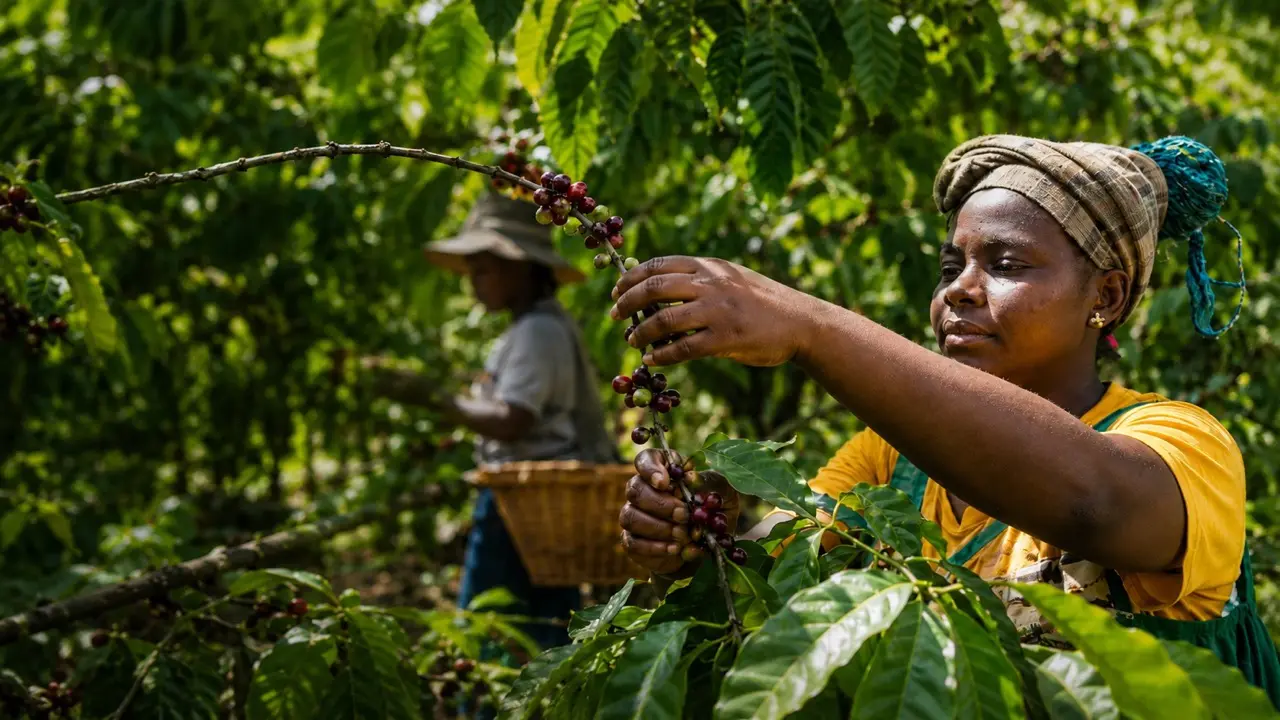
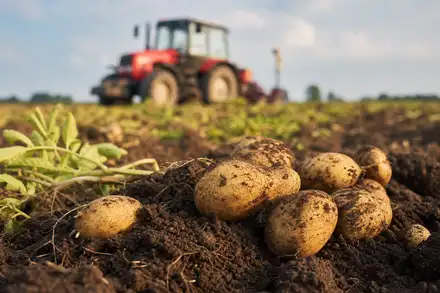
Land that was once exhausted begins to breathe again, restoring productivity, strengthening livelihoods and bringing life back to ecosystems under strain.
Aligned for Global Impact
What the world has committed to, RAIZ helps deliver, advancing global goals and driving progress toward restoring 250 million hectares of farmland by 2030.
Guided by Insight
The RAIZ Mapping Tool pinpoints where restoration matters most, combining global and local data to guide investors, governments and practitioners toward high-impact action.
Driving Systemic Impact
Restoration goes beyond projects. It means reshaping food systems to sustain long-term productivity while maximizing economic and environmental returns.
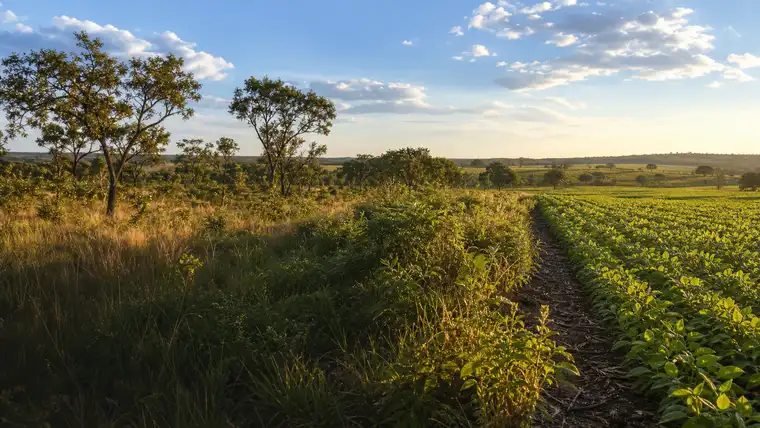
Country Impact Assessments
Explore the vulnerability and adaptive capacity dashboards for the two countries in this study.
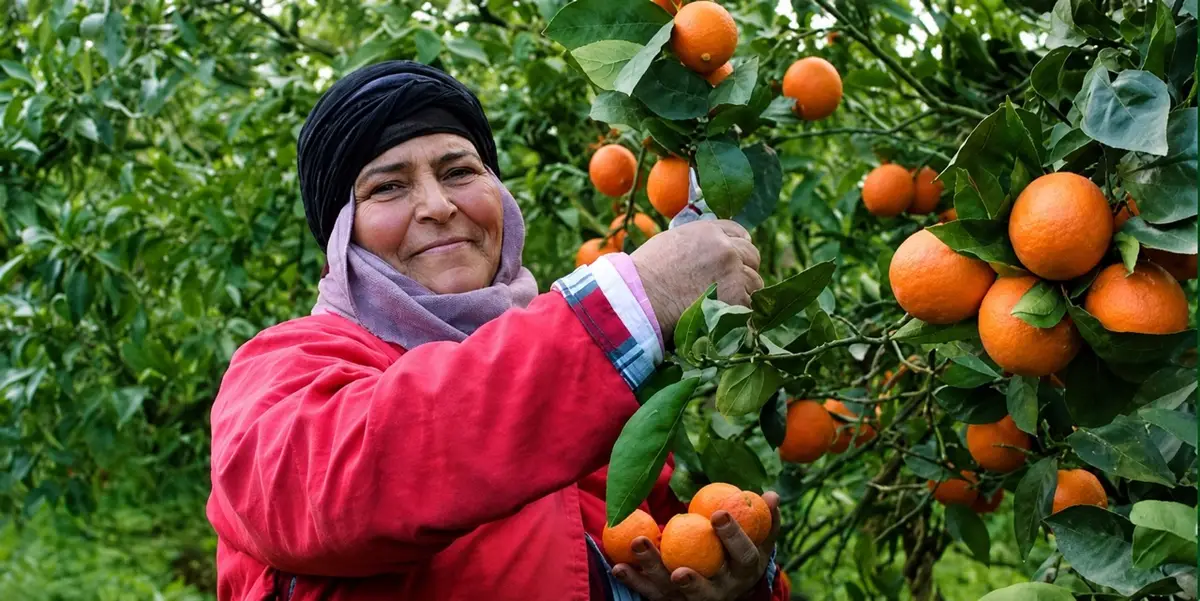
Brazil
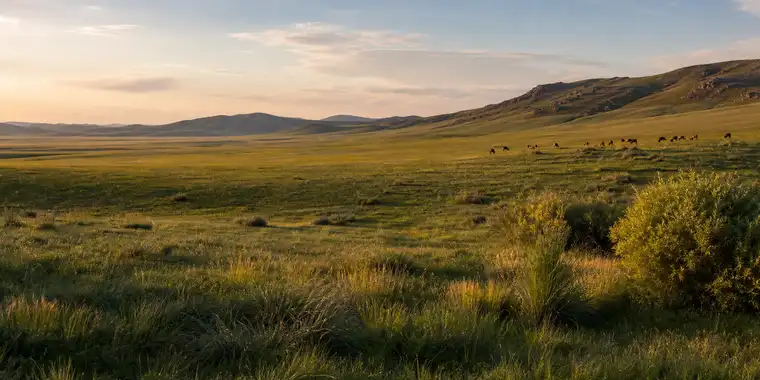
Mongolia
With the technical support of
A global platform uniting economies, businesses and civil society to transform food and land use systems - mobilising evidence and finance behind restoration at scale.
Explore MoreFAO is a specialized agency of the United Nations that leads international efforts to defeat hunger. FAO's goal is to achieve food security for all and make sure that people have regular access to enough high-quality food to lead active, healthy lives. FAO seeks to support the 2030 Agenda through the transformation to more efficient, inclusive, resilient and sustainable agrifood systems for better production, better nutrition, a better environment, and a better life, leaving no one behind. With 194 members - 193 countries and the European Union, FAO works in over 130 countries worldwide.
Explore More